Will a Taiwan Stablecoin Become a Reality? Regulations, Progress, and Potential Outlook
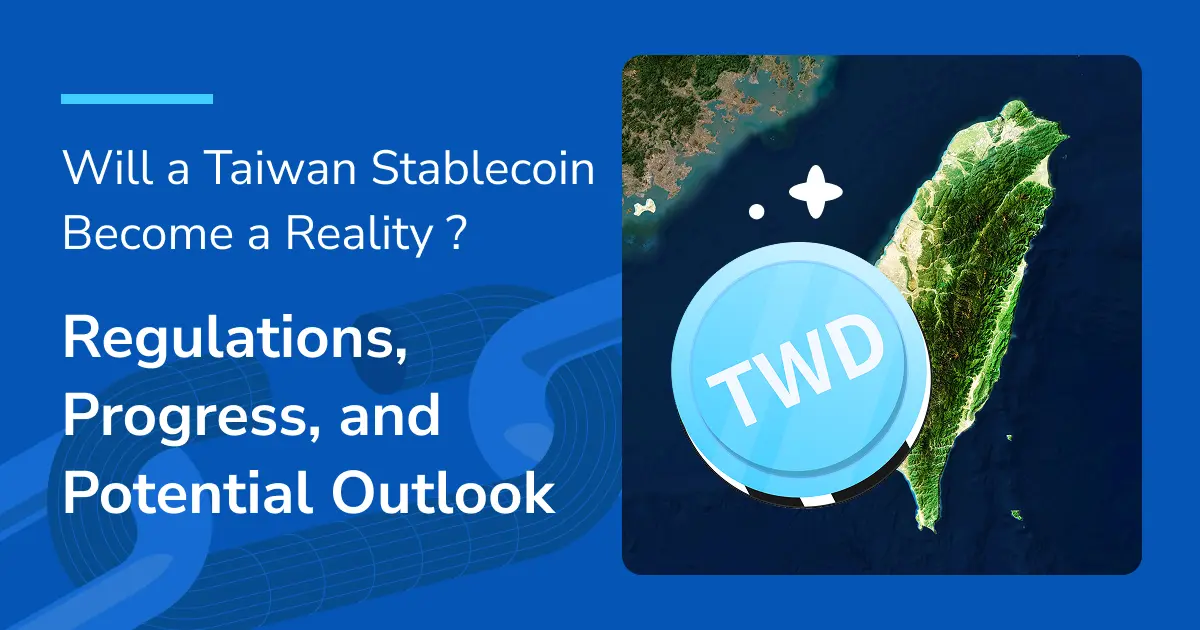
“Will Taiwan have its own stablecoin?”
As the global stablecoin market continues to grow, the use of USD stablecoins such as USDT, USDC, USAT is increasing in Taiwan, and this issue is beginning to be seriously discussed. Especially since Hong Kong introduced the “Hong Kong Dollar Stable Currency Regulatory System” in 2024, Taiwan seems to have slowed down a beat.
Is there any chance of Taiwan stablecoin? Where is the regulatory card? How might the future develop? This article takes a clear look at you at once.
1. What is stablecoin? Why is it important?
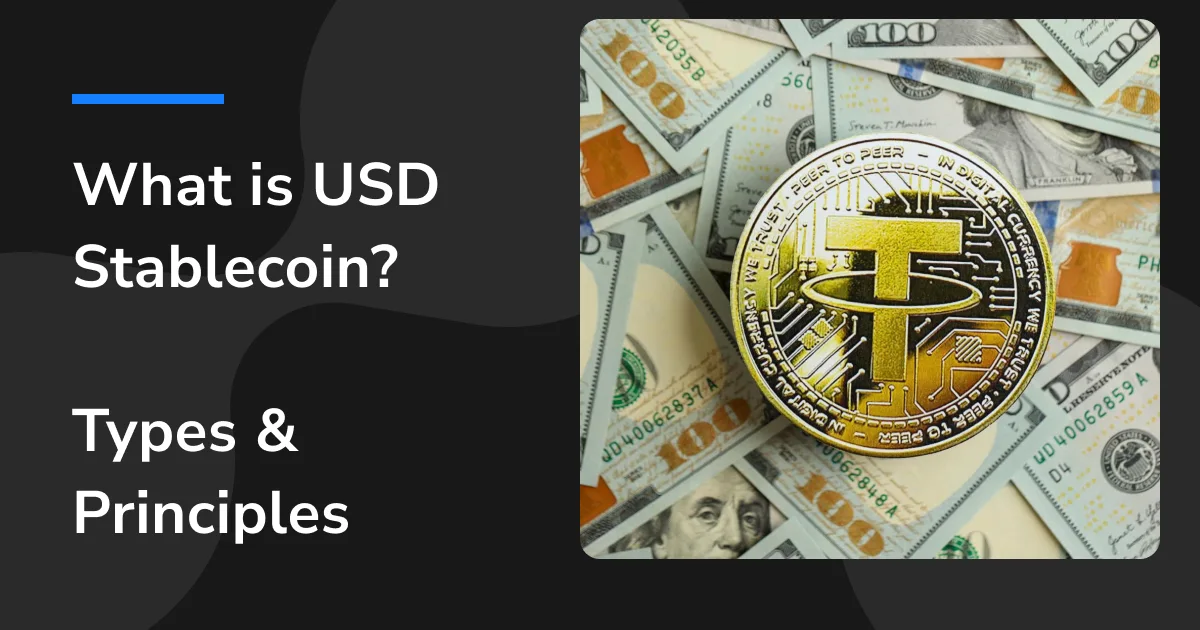
Stablecoin IS A PRICE-ANCHORED CRYPTOCURRENCY (SUCH AS USD, EURO) THAT AIMS TO SOLVE THE PROBLEM OF “TOO MUCH PRICE VOLATILITY” FOR CRYPTOCURRENCIES SUCH AS BITCOIN.
The most common stablecoins include:
- USDT(Tether): The largest dollar stablecoin by market capitalization
- USDC(USD Coin): Issued by Circle with higher transparency
- DAI: Decentralized stablecoin sustained by Ethereum smart contracts
- USAT: Unlike USDT, Tether's global flagship stablecoin, USAT is committed to meeting stringent regulatory and compliance requirements in the United States.
Three main features of stablecoins
① As a trading medium for the cryptocurrency marketIn cryptocurrency exchanges, stablecoins are the most important trading pairs. After converting Taiwan Dollars to USDT, users can quickly buy and sell various cryptocurrencies without having to exchange them every time.
② Cross-border payments and remittancesTraditional cross-border remittances take 2-5 business days and are expensive to process. Stabilizer can complete global transfers in minutes at a much lower cost than traditional banking systems.
③ Basics of DeFi (Decentralized Finance)Stable coins are at the heart of the DeFi ecosystem for a variety of applications such as lending, liquidity mining, payments and more. Without stablecoins, DeFi will not work properly.
💡 Simply put: A stablecoin is the “dollar of the cryptocurrency world”, with both the convenience of blockchain and the stability of fiat currency.
2. the current situation of Taiwan stablecoin: still in the start-up phase
Currently, Taiwan does not have an officially issued and regulated “Taiwan stablecoin”. Almost all of the stablecoins circulating in the market are US dollar stablecoins (USDT, USDC, USAT), and Taiwanese users must first convert Taiwan dollars to these US stablecoins to enter the cryptocurrency market.
Why is there no Taiwan stablecoin?
Unclear regulationsTaiwan currently has no specific regulations for stablecoins. The position of the monetary union and the central bank on the stablecoin is always unclear — is it a “currency”, a “security” or a “commodity”? Without a clear classification, you cannot create a regulatory framework.
The central bank's attitude is conservativeThe People's Bank of China has been conservative in its stance on issuing stablecoins, concerned about the impact of monetary policy, financial stability and anti-money laundering. Although the central bank itself is studying a “central bank digital currency (CBDC)”, its openness to national stablecoins remains very cautious.
Smaller market sizeCompared to USD and Euro, Taiwan Dollar is limited in usage in international markets. The demand for issuing Taiwan stablecoins is mainly concentrated locally in Taiwan, which is not attractive to international issuers.
3. international trend: what should each country do?
Taiwan's footsteps are relatively conservative, but other countries and regions have begun to actively deploy:
Hong Kong: Formal introduction of stablecoin regulatory regime in 2024
HKMA will implement a “Stable Currency Issuer Regulatory Regime” in 2024, requiring institutions issuing stablecoins to:
- Obtaining a HKMA license
- 100% Reserve Asset Support
- Regular Audit and Transparency Reports
- Compliant with Anti-Money Laundering (AML) Regulations
This makes Hong Kong the first region in Asia to have a complete stablecoin regulatory framework and has attracted many international organisations to apply for licences.
Singapore: A pragmatic and open attitude
The Singapore HKMA (MAS) considers stablecoins to be “digital payment tokens” and requires issuers to comply with payment service regulations. It also promotes the Project Guardian program, which tests the application of stablecoins in financial markets.
EU: The Road to MiCA Regulations
The EU Cryptoasset Market Regulation (MiCA) Act 2024 officially comes into force, with clear legal definitions and regulatory requirements for stablecoins, including capital requirements, reserve transparency, consumer protection, and more.
United States: Still under discussion
US regulation of stablecoins has been discussed for a long time, but it has not yet formed a uniform regulation. However, the major stablecoin issuers (Circle, Paxos) have been working closely with regulators to gradually build a compliance framework.
4. the three main obstacles for Taiwan stablecoin
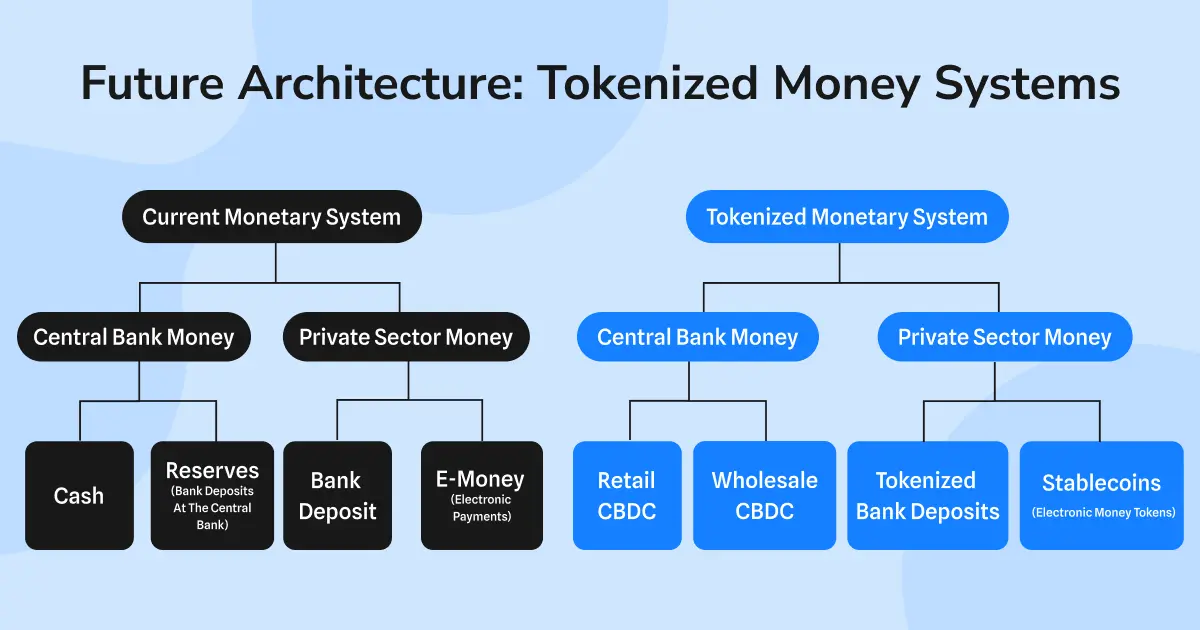
In order for Taiwan to form a stable currency, at least three key issues must be addressed:
Obstacle 1: Unclear regulatory location
There is currently no clear legal definition of stablecoin in Taiwan. Is it “virtual goods”, “electronic payments” or “securities”? Different categories apply to different authorities and regulations, and this is the most fundamental problem.
Possible direction:
- Accessing the Hong Kong Model to Include Stable Currency in HKIA Regulation
- Amendments to the Electronic Payment Institutions Management Ordinance or the Securities Trading Act
- Develop specialized “Stable Currency Management Measures”
Barrier 2: Central Bank's Monetary Sovereignty Concerns
The central bank is concerned that the CSD will affect monetary policy outcomes, weaken Taiwan's position, and increase financial system risks. Especially if the Taiwan stablecoin is in large circulation, it may affect the central bank's ability to control the currency supply.
Possible direction:
- Limit Stable Coin Issuance Size and Usage Scenarios
- Request 100% reserve and deposit with the central bank
- Prioritize Central Bank Digital Currency (CBDC), Temporarily Do Not Open National Stable Coins
Barrier 3: Anti-Money Laundering and Consumer Protection
Stablecoin's anonymity and cross-border circulation make it easy to use for money laundering, tax evasion, or illegal transactions. How to establish effective deterrence mechanisms while maintaining blockchain advantage is a challenge facing countries.
Possible direction:
- Mandatory KYC (Real Name Certification)
- Large Transaction Reporting Mechanism
- Connect with the International Anti-Money Laundering Organization (FATF)
5. Three possible scenarios of Taiwan stablecoin
Based on the current development trend, the future of the Taiwan stablecoin may have the following directions:
Scenario 1: Government-led “Taiwan stablecoin” pilot program
Referring to the Hong Kong model, the HKMA establishes a regulatory framework to open eligible financial institutions or technology companies to issue Taiwan stablecoins. The initial phase may take the form of a “sandbox trial”, limiting release size and usage scenarios.
Possibility: Medium Timeline: 2~3 years
Advantages: Orderly drive, risk control Disadvantages: Slower speed, more restrictions
Scenario 2: Central Bank Digital Currency (CBDC) Priority, Non-Open National Stable Currency
The Central Bank continues to develop the “Digital New Taiwan Dollar” as the official version of the digital currency. Until the CBDC matures, it is temporarily not open to the public to issue Taiwan stablecoins to avoid competition and regulatory complexities.
Possibility: High Timeline: 3~5 years
Advantages: Full control of central bank, minimal risk Disadvantages: limited space for innovation, lagging international competitiveness
Scenario 3: Open but strictly regulated, adopting international standards
Direct reference to the EU MiCA or Hong Kong model to develop a complete stablecoin regulation and open regulatory body issuance. At the same time, strict standards are required for high capital, 100% reserve funds, periodic audits, etc.
Likelihood: Medium to Low Timeline: 5 years or more
Advantages: Interconnection with international connections, attracting investment Disadvantages: Legislative deadlock, political resistance
6. Impact on investors and industry
What will change if Taiwan stablecoin is formed?
For general users:
- Deposit is easier, without bypassing the USD stablecoin
- Reduced transaction costs and reduced margin losses
- Better localized service, friendlier customer service and dispute handling
For the cryptocurrency industry:
- Reduced exchange compliance costs
- Attract more local users
- Drive the development of DeFi, NFTs, and more
- Enhancing Taiwan's Position in the Crypto Industry in Asia
For traditional finance:
- Banks may introduce stablecoin related services
- Significantly Improve Cross-Border Payment Efficiency
- New business models and revenue sources
What if Taiwan stablecoin does not form late?
Limited short term impactTaiwan users will continue to use USD stablecoins such as USDT, USDC, and market operations will not be affected too much.
Long-Term Competitiveness ConcernsHong Kong, Singapore, and even Japan and South Korea are all on the positive side, and Taiwan could miss its chance to become Asia's cryptocurrency hub if it remains conservative. Excellent blockchain startups and talent may also flow out.
7. my opinion: cautiously optimistic, but do not expect too soon
Taiwan stablecoinIt is possible to form, but it takes time。
From a technical point of view, issuing Taiwan stablecoins is perfectly feasible; from the point of view of market demand, there is a need for users; but from a regulatory perspective, the Taiwanese government is cautious and unlikely to move quickly.
The most likely path is:
- HKMA TO INTRODUCE “VIRTUAL ASSET MANAGEMENT METHODOLOGY” TO REGULATE CRYPTOCURRENCY INDUSTRY
- Central Bank Continues to Develop CBDC, Observe International Trends
- Do not open fiat currencies for the time being until CBDC launch or international pressure intensifies
- It may eventually be possible for large financial institutions to experiment in a “limited open” way
Timeline estimate: Preliminary progress may be made within 3-5 years.
For investors and practitioners, keep an eye on the following indicators:
- Whether HKMA publishes the draft Virtual Assets Code
- Test progress of central bank CBDC
- Development effectiveness of Hong Kong and Singapore stablecoins
- Evolution of international regulatory standards (e.g. FATF guidelines)
summed
The formation of the Taiwan stablecoin is not a question of “whether or not”, but a question of “when and in what form”.
Technically feasible, the market is in demand, but conservative regulatory attitudes and central bank concerns make it difficult to move quickly in the short term. HONG KONG'S SUCCESS STORY MAY PUT PRESSURE ON TAIWAN, BUT THE TAIWANESE GOVERNMENT'S DECISION-MAKING IS NOT FAST.
For those who want to enter the cryptocurrency market, there is no need to wait for Taiwan stablecoins. The existing USD stablecoin system is well established, so you can start investing safely by choosing a compliant exchange, understanding the risks, and making good asset allocations.
If the Taiwan stablecoin does come out in the future, it will be a big hit; but until then, the market already has enough tools to get you in on the trend.
This article is for news and online data collection and does not constitute any investment advice. Cryptocurrency investments involve high risks and policy changes may affect the market environment, please evaluate with caution.